By Bill Remy
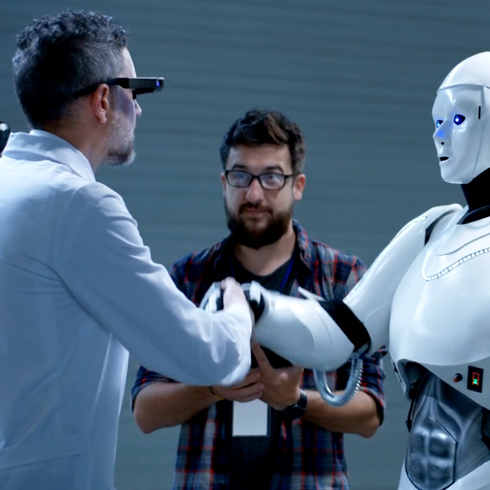
Artificial intelligence is transforming business, but leaders still face tough choices about when to rely on AI and when human judgment is essential. This article, Bill Remy, CEO of TBM Consulting Group, who brings more than 40 years of leadership experience in manufacturing and operations, talks about how C-Suite executives approach these decisions.
Bill Remy’s career was shaped by his upbringing in various regions of the U.S. and an early interest in both agriculture and technology, leading to four decades of experience in manufacturing. He described a memorable early mistake—presenting to the wrong screen—that taught him to value perspective and the bigger picture in business.
Currently, Remy is focused on digitizing operations and integrating AI into manufacturing at TBM, highlighted by a new partnership with iObeya to modernize performance tracking and collaboration. He emphasized that successful AI integration depends on high-quality data and that, while AI is useful for routine tasks, human oversight is essential for critical and empathetic roles.
Remy stressed the importance of practical, ethical AI use, particularly for knowledge management as experienced workers retire, and described how combining AI analysis with human judgment can drive business growth. He outlined five core principles for AI adoption—data quality, human oversight, AI literacy, empathy, and validation—and believes that while AI will revolutionize knowledge sharing, human skills will always be key in decision-making and personal interaction.


Schedule a 15-minute call with your Advisor

Private Equity Operational Due Diligence + Value Creation

Don’t miss industry expert insights.
Join a community committed to excellence.