As a productivity and supply chain specialist, there’s something incredibly satisfying about the Domino’s Pizza Tracker.
Being able to watch the progress of your pizza from the time you place the order, all the way through the build, bake and delivery process—complete with the name of the employee who’s handling it—adds anticipation and novelty to the pizza procurement process. But under the hood, the pizza tracker isn’t just a fun marketing tactic—it’s a sophisticated supply chain visibility tool that helps Domino’s track and improve their pizza production efficiency.
Of course, Domino’s isn’t the only company leveraging this level of supply chain visibility. Amazon has been zeroing in on real-time order transparency for years, not only keeping customers informed of their order status internally, but also integrating with shippers like FedEx and UPS for shipping and delivery updates.
B2C Experience Drives B2B Expectations
The growing deployment of these real-time tools is driving demand in manufacturing: because B2B buyers enjoy these convenient tools when they shop for themselves, of course they want the same convenience and transparency in their procurement processes.
Understandably, many manufacturers are reluctant to provide this kind of insight into their processes and timeline. Do you really want customers to know their order is running behind? What if it starts out ahead of schedule, customers eagerly anticipate early delivery, but then it falls back to the promised delivery date—or worse, behind schedule? Will they be disappointed? How much is too much information?
The other challenge for manufacturers is that their suppliers’ timelines directly affect their own, yet they’re completely out of manufacturers’ control. If a critical material or component isn’t delivered on time, there’s very little the manufacturer can do to make up the difference, yet they’re the ones on the hook to meet customer expectations.
A Pizza Tracker for Your Process: Here’s How
So, how can manufacturers provide the kind of visibility customers want without setting themselves up for disaster? And how can manufacturers use the pizza tracker concept to gain insight to improve their own process efficiency? Here are some tips:
Source and integrate data with a supply chain control tower.
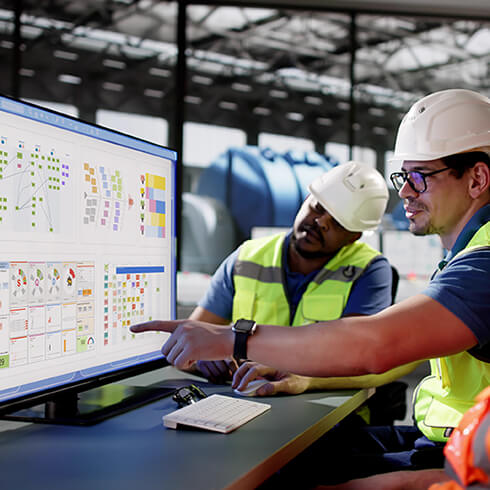
Start by implementing systems to gather and integrate production data from systems across the factory floor, ERP, supplier performance management and warehousing/delivery using a supply chain control tower. You’ll want to include every part of the production process, and if there are multiple locations involved in your process, make sure to integrate them all. Bringing the data together and examining production metrics from this point forward can provide valuable insights to help you spot productivity hiccups and consistent or repeated delays.
Clean and maintain your master data.
Effective data analytics depends on having data you can rely on. We often see improper use of date fields in production planning, which can wreck the entire systems. When one person makes a change or adjusts the timeline for one order, it affects everything else in the pipeline and sends everyone into a frenzy. Make it clear to everyone how manipulating data in the system has a ripple effect, and make sure everyone understands the configuration of the system. Some systems require laborious revisions and updates to every order when one changes, but automated tools can adjust production plans dynamically when one thing changes.
Use AI to analyze supplier performance.
In a perfect world, suppliers would have similar real-time visibility and provide you with access and/or API integration so their timelines can be reflected in your own. While this is highly unlikely, it doesn’t have to be a deterrent. Instead, rely on purchase orders and stated delivery estimates tracked against supplier performance data. Leverage historical data and use AI to gauge the likelihood of on-time delivery or predict expected delivery dates. Creating probabilistic models is the next best thing to viewing real-time data directly from the supplier, and it gives you some sense of the timeline you can expect.
Designate a champion.
Just like with inventory optimization, one of the reasons this real-time supply chain visibility is so challenging in most organizations is because there’s no one responsible for overseeing it. Pockets within the organization may know what to do, but they focus solely on their area of responsibility. For example, a purchaser might clean up their master data, make sure lead times are correct and economic order quantities/minimums are met, but that’s where their effort and expertise ends. In order to provide a holistic view, setting up the system has to be a holistic effort, driven by a more strategic, higher-level vision.
Determine the right level of visibility.
How much is too much information? What level of detail do you want customers to have about their order status? What about internally? Do you need to set access privileges for employees at different levels or in different departments? Think carefully about and build out the visualizations and views that provide the right level of insight and transparency. Customers get the information they need to know without TMI that might create undue concern or reputation challenges, while internal stakeholders can view more detailed production data to see where potential (or historic) bottlenecks occur so they can take action to rectify hurdles.
The Standard for Real-Time Supply Chain Transparency
While Domino’s Pizza Tracker may seem like a crafty marketing tactic aimed at creating a relevant and highly engaged customer experience, it’s also a great example of real-time supply chain visibility in action. By taking a page from the pizza tracker playbook, manufacturers can deliver the same level of transparency and real-time insights their customer’s demand.
From evaluating visibility pain points to seeking support for a specific business need, TBM Consulting has the expertise to help. With a deep understanding of the end-to-end supply chain, our team supports organizations in various aspects including operations and the intricate connectivity of systems and how they impact all aspects of the business.
We assist with developing a plan to improve supply chain visibility by assessing the current state of the supply chain, then determining solutions for gaps in people, processes and systems.
Download the PDF →